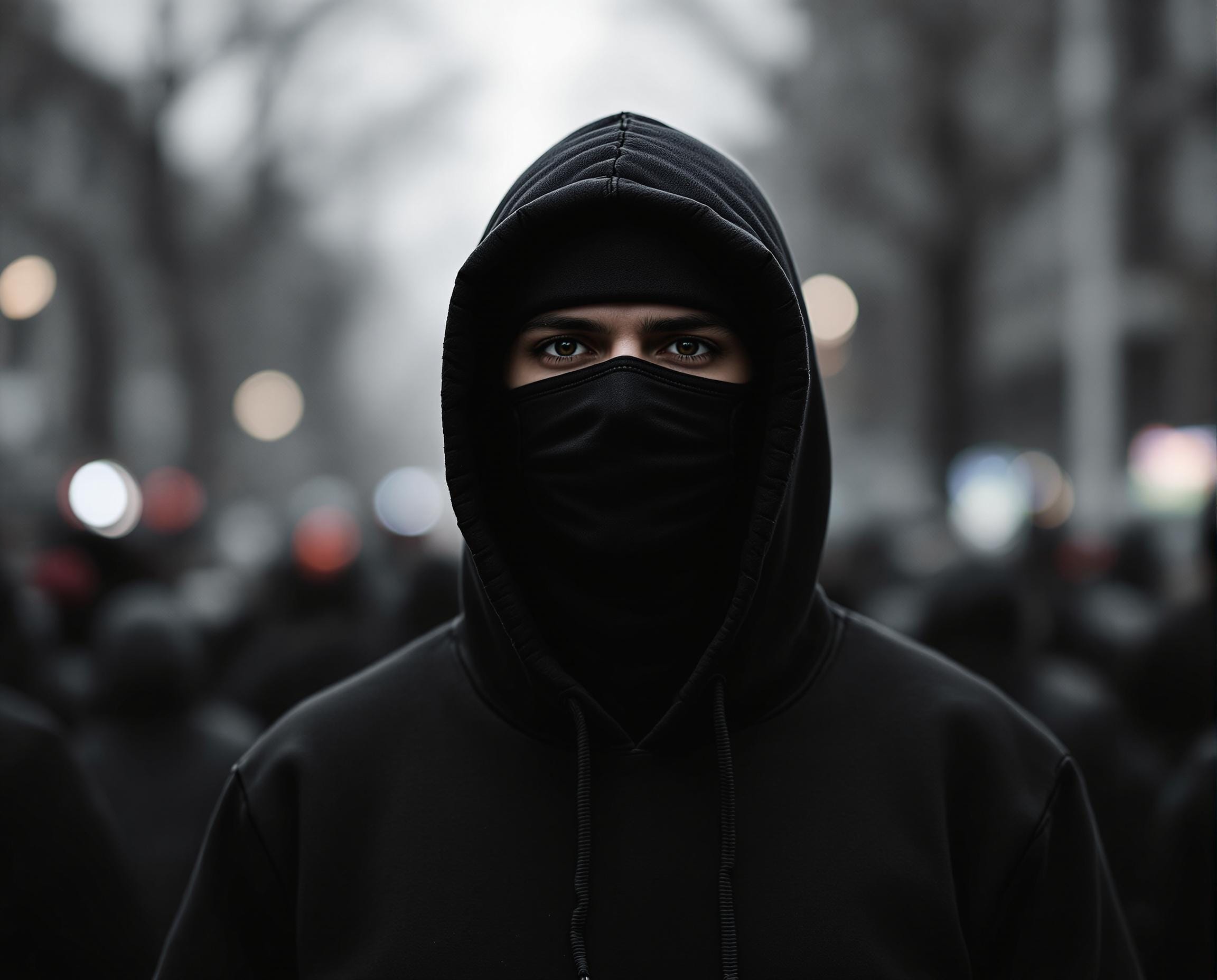
When a Protest Crosses the Line

Protesting is not inherently illegal. The First Amendment guarantees the right to peacefully assemble and express views, even if they are controversial or unpopular. However, a protest can become unlawful when it shifts from peaceful expression into actions that violate laws or create a clear and present danger.
  • Peaceful Protests are Protected: The Constitution safeguards the right to protest peacefully.
  • Unlawful Assembly: A gathering can be declared unlawful if participants intend to commit illegal acts or behave in a way that causes fear of violence.
  • Violence and Intimidation: Physical violence, threats, or intimidation are not protected speech and can result in arrest.
  • Obstructing Traffic: Blocking streets, highways, or sidewalks without proper authorization can be illegal.
  • Trespassing: Entering private property without permission—or staying after being asked to leave—can lead to charges.
  • Permits and Restrictions: Certain protest activities, such as street closures or using amplified sound, may require permits. Violating permit conditions can make a protest unlawful.
  • Inciting Violence: Speech that directly encourages imminent illegal action or disturbs the peace is not protected.
  • Protected Property Violations: Federal law prohibits disrupting or obstructing government operations in certain secured areas, including locations protected by the Secret Service.

Important Considerations

  • Content-Neutral Restrictions: Authorities can enforce reasonable time, place, and manner rules, as long as these are applied equally regardless of the message.
  • Police Discretion: Law enforcement can disperse crowds if there is a clear and present danger, using reasonable force.
  • Your Rights if Arrested: You have the right to remain silent, provide your name and address, and request a lawyer.
  • Private Property Rules: Property owners can set their own rules and have individuals removed for violations.
  • First Amendment Reminder: The right to protest exists regardless of whether the cause is popular or not—what matters is staying within the law.
This information is based on guidance from the American Civil Liberties Unions (ACLU)  ACLU Protesters’ Rights GuideFor more comprehensive resources, see: The information provided on this website is for educational and informational purposes only. This information is not intended to be taken as legal, medical, or professional advice. The views expressed are those of the author(s) and do not necessarily reflect those of the company or its affiliates. Visitors are encouraged to conduct further research and consult with relevant professionals. 

Follow Dancing Quail on Social Media

picture titled survival by subscription economy with two people looking at buildings that are locked
Survival as a Subscription Economy
When Basic Survival Becomes a Recurring Bill The Subscription Economy You Can’t Cancel There is nothing inherently wrong with subscription models. Paying monthly for music, movies, software, or cloud storage can be convenient and predictable.…
Continue reading
Virtual General Strike: The Digital Strategy Strengthening Modern General Strike Movements
What Is a Virtual General Strike? A general strike has always been defined by collective withdrawal. Workers step away from production, consumers pause spending, and communities interrupt the routines that sustain economic power. Historically, that…
Continue reading
General Strike Strategy: How Mass Protests Like the No Kings Protest Build Collective Power
Why mass protests like No Kings matter to a broader general strike strategy A new No Kings protest is scheduled for March 28, 2026. Like earlier actions, this national day of peaceful protest is expected…
Continue reading
The Consumer Picket Line: Public Protest as a Tool in a Modern General Strike
When people think of picket lines, they usually picture workers standing outside their workplaces, perhaps around a metal barrel with a fire inside, signs raised, and chants echoing. We know they are demanding better wages,…
Continue reading

Share this post

Leave a Reply

Disclaimer: The inclusion of political organizations on this website is for informational purposes only. The presence of any group does not imply endorsement or affiliation. These organizations are featured because of their relevance to the topic discussed. The views and opinions expressed by these organizations are their own and do not necessarily reflect those of this website or its creators.

The information provided on this website is for educational and informational purposes only. This information is not intended to be taken as legal, medical, or professional advice. The views expressed are those of the author(s) and do not necessarily reflect those of the company or its affiliates. Visitors are encouraged to conduct further research and consult with relevant professionals.

Close
Close
Sign in