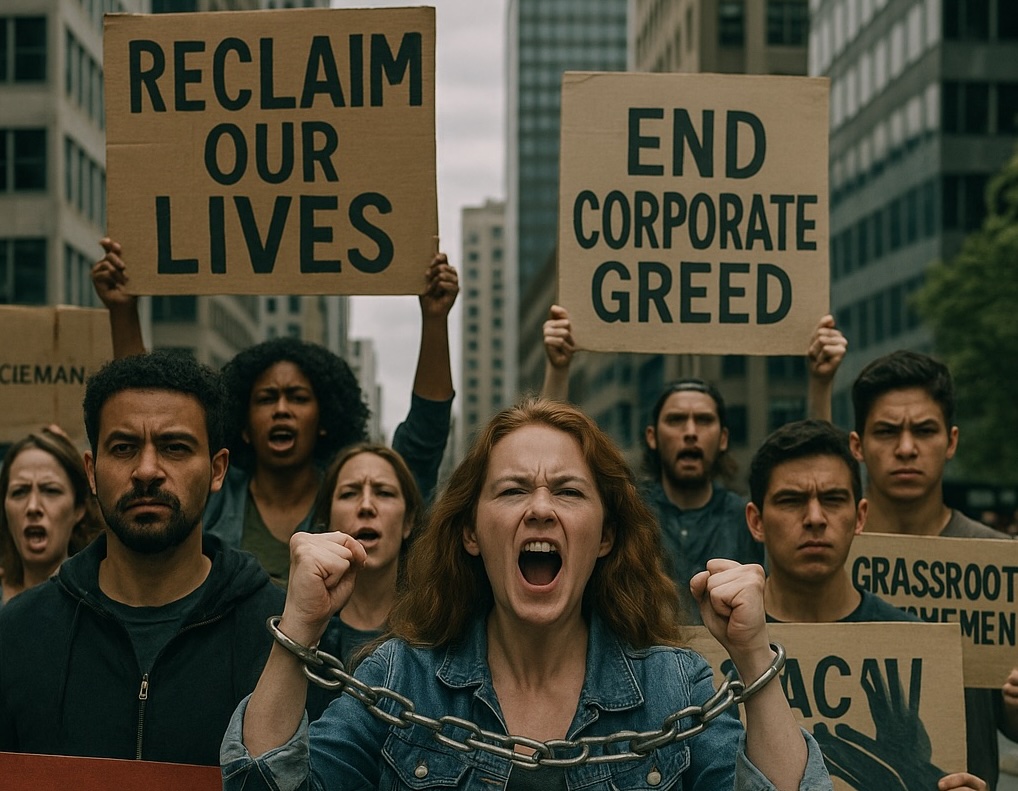
Reclaiming Life from Corporate Control
The Corporate Takeover of Everyday Life
Over the past several decades, a quiet yet profound change has occurred: the essential needs of life—housing, healthcare, food, and education—have been transformed from human rights into profit opportunities. Our value is now judged not by our contributions to community or culture, but by how much we consume.
Housing has become unaffordable in cities across the country, often driven by speculative real estate investors and hedge funds that treat homes as commodities rather than shelters. Healthcare is a trillion-dollar industry where access and outcomes depend more on insurance coverage than medical need. Our food system is controlled by conglomerates that raise prices while underpaying workers and lobbying against nutrition and safety standards. Even education has not been spared, burdening students with life-changing debt while enriching lenders and for-profit institutions.
We have been systematically stripped of our citizenship and transformed into economic units—inputs in a corporate formula where shareholder profits are the only goal that matters.
Government as a Corporate Tool
This corporatization of life isn’t just a market failure; it’s a political failure. The influence of corporate money over Congress, the courts, and even the presidency is no longer subtle. Lobbyists write laws, campaign donors set policy priorities, and judicial decisions increasingly favor business interests over public well-being.
When elected officials refer to the public as “consumers” rather than citizens, it’s not just a mistake—it’s a perspective. One where democratic accountability is replaced by market logic, and social justice is sacrificed for quarterly profits.

A Tipping Point is Coming
But history demonstrates that no system of exploitation lasts forever. Just as Rosa Parks’ simple act of resistance became a rallying cry against segregation, we are quickly approaching a point where enough people will refuse to participate in a system that relies on their exploitation.
This tipping point won’t come from politicians or corporate boardrooms. It will come from everyday people saying “no” to business as usual.
Non-Participation as Resistance
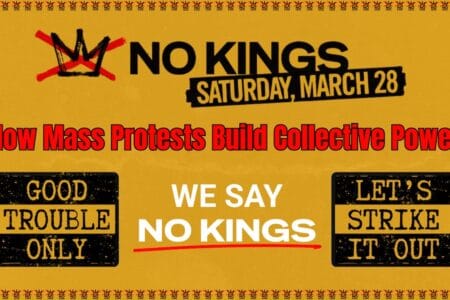
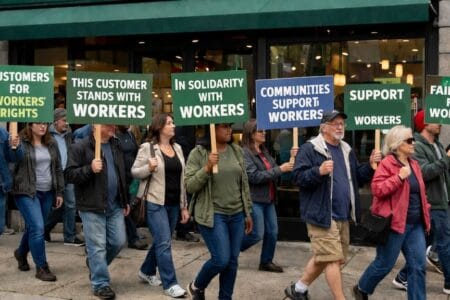
Boycotts. Divestments. Strikes. These are not just tactics of the past; they are powerful tools of ethical disengagement today. When we withhold our labor, our dollars, or our compliance from exploitative corporations, we highlight the unjust systems they operate within—and start to dismantle their power.
Coordinated non-participation works not because it’s symbolic, but because it’s disruptive. It forces change by threatening the very structures that uphold injustice. When done strategically, it can collapse a status quo built on exploitation.
Reclaiming Our Power
Our mission is to give workers, renters, students, patients—everyday people—the tools and knowledge to resist. This means understanding how corporate systems work, recognizing points of leverage, and organizing in ways that challenge power.
We are not powerless. We are simply divided—by design. But if we reconnect, learn, and act together, we can reclaim our lives, our communities, and our futures.
You are more than just a consumer. You are a citizen, and with citizenship comes the right—and the responsibility—to fight for a life of dignity, fairness, and freedom.