We’ve been taught to think power only moves when fists fly or when someone louder than us takes the stage.
But we know better now.
We’ve seen it.
We’ve lived it.
We are it.
Passive resistance, what the world often calls non-violent resistance, isn’t weakness. It’s a collective refusal. It’s what happens when ordinary people decide, together, to stop cooperating with systems that exploit us. Not with chaos. Not with cruelty. But with clarity.
This is how real change begins.
We don’t need to burn the house down to make it unlivable for the injustice. We simply stop cleaning it, stop feeding it, stop pretending it deserves our care.
That’s the quiet force behind every general strike that ever mattered.
We’ve Walked This Road Before
We’re not inventing something new. We’re remembering something old.
When Mahatma Gandhi spoke of satyagraha, truth force, he wasn’t asking people to be passive in spirit. He was asking them to be unmovable in principle. Refuse unjust laws. Withhold labor. Boycott what degrades human dignity. Walk together, even when the road is long.
That’s what the Salt March was.
That’s what boycotts are.
That’s what a general strike has always been: truth made visible through non-participation.
Later, Martin Luther King Jr. carried that same torch through the streets of the United States. Sit-ins. Marches. Silent courage in the face of state violence. When we watched peaceful people beaten on camera, the lie cracked. The country couldn’t unsee it. And laws shifted, because conscience finally did.
The March on Washington didn’t succeed because it was loud.
It succeeded because it was undeniable.
And when Nelson Mandela emerged from decades of imprisonment, he reminded the world that non-violence isn’t about submission. It’s about refusing to become what oppresses you, and choosing reconciliation over endless cycles of harm.
What Passive Resistance Really Looks Like
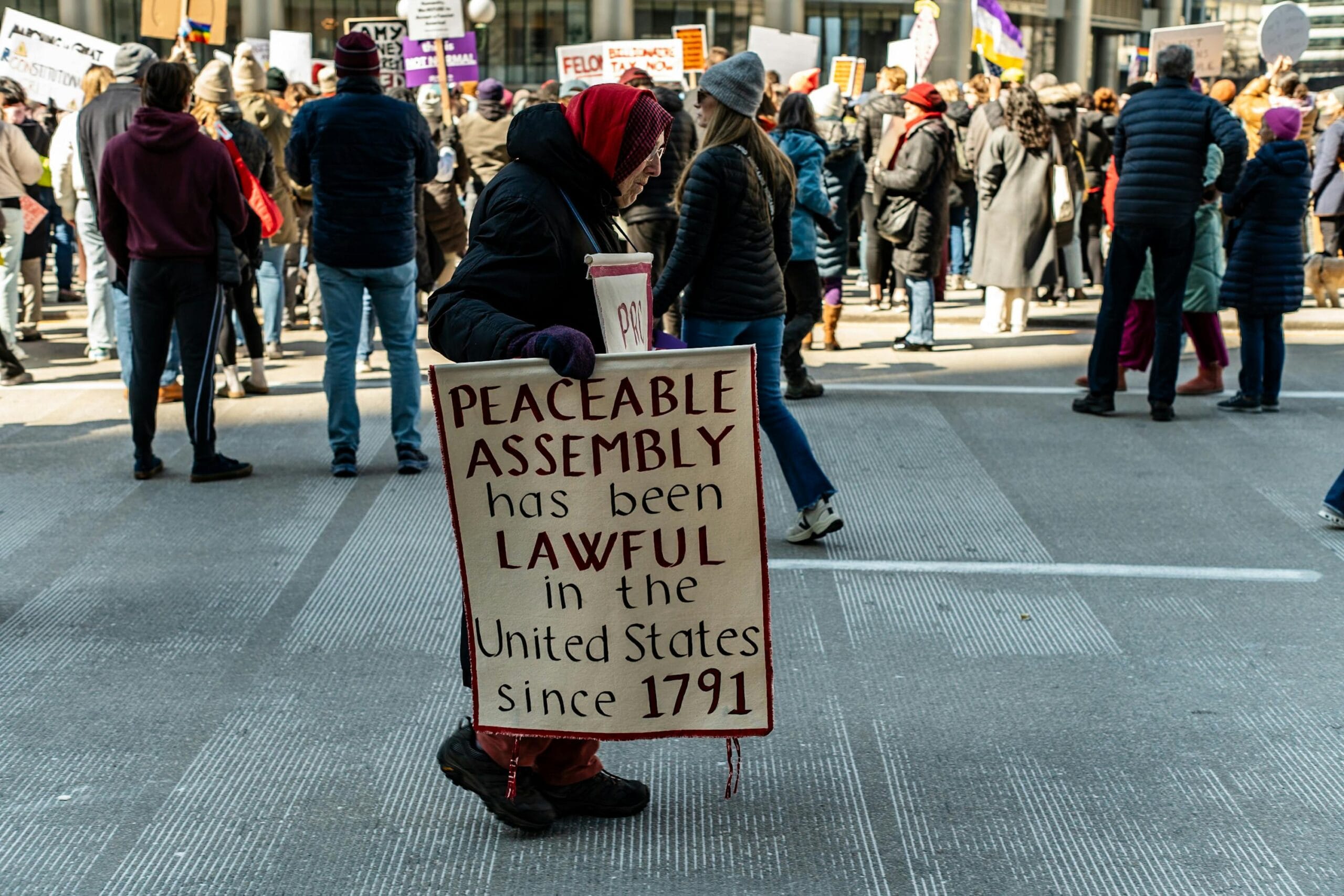
It’s not abstract. It’s practical. It’s already within reach. Passive resistance is us deciding, together, to say:
- We will not comply with unjust systems.
- We will not keep working harder for less.
- We will not keep buying from those who harm our communities.
- We will not keep pretending this is normal.
Sometimes it looks like a strike.
Sometimes it looks like a boycott.
Sometimes it looks like a quiet sit-in, a refusal to move, a refusal to buy, a refusal to play our assigned role.
This is how a general strike grows, not as a single dramatic moment, but as millions of small, lawful, coordinated acts of non-participation.
And here’s the truth they never like to say out loud:
When enough of us do this peacefully, they lose the moral ground to respond with force.
That’s the dilemma non-violence creates.
That’s the pressure point.
Why This Works and Why It Scares Them
Systems like this survive on three things: our labor, our money, and our consent.
Passive resistance withdraws all three.
When we stop participating calmly, lawfully, together, the machine stalls. And when those in power respond with repression against peaceful people, the mask slips. The world sees who’s really destabilizing society.
That’s why non-violent movements, from civil rights to labor struggles to global uprisings, keep reappearing. Not because they’re easy. But because they expose the truth.
The Part They Don’t Tell You
Passive resistance only works if we hold each other.
It requires discipline.
It requires unity.
It requires refusing to turn on one another when pressure mounts.
A general strike isn’t just a tactic. It’s a relationship. It’s trust. It’s neighbors sharing food. Workers sharing risk. Communities deciding that dignity matters more than convenience.
Without that, resistance becomes isolated. With it, resistance becomes inevitable.

Where We Stand Now
We’re not waiting for permission.
We’re not waiting for heroes.
We’re not waiting for the system to suddenly grow a conscience.
We’re choosing something different.
Passive resistance is how we disengage from exploitation without becoming what we oppose. It’s how we remind ourselves, and each other, that power doesn’t live above us.
It lives here.
Between us.
In the moment we decide to stop feeding what harms us.
A general strike isn’t violence.
It’s memory.
It’s clarity.
It’s us, standing still together, until the world is forced to move.
We’re not alone.
We’re not powerless.
And we’re not done.
You can learn more about Passive Resistance at the Library of Congress