
This article is a General Strike Strategy and part of the resource library of practical tools you can use to reduce dependence on systems you don’t control and build more stability into your everyday life.
By Runa Guzman, Founder of 4winds419
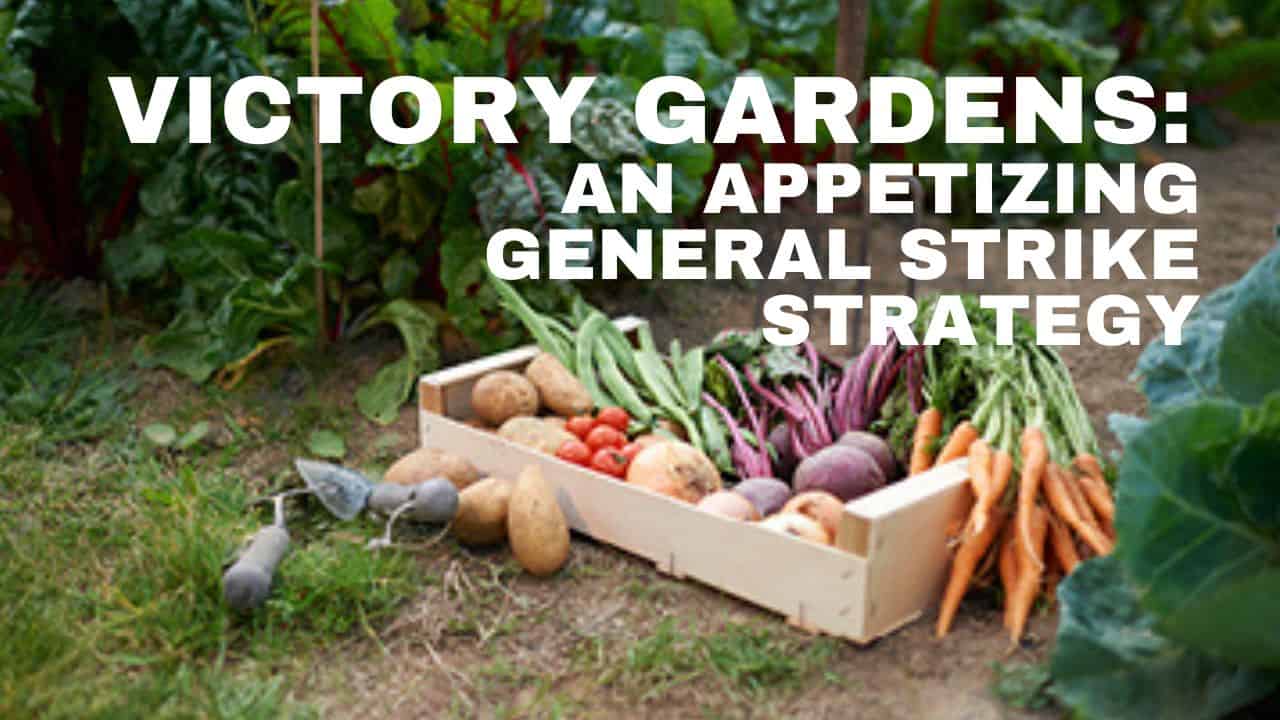
In times of global turmoil, when food prices rise, and corporate food conglomerates dominate the market, there’s a powerful solution available: victory gardens. Originally introduced during World War I and popularized during World War II, victory gardens have resurfaced as a modern strategy to reclaim control over our food systems. These small, homegrown plots represent a practical way to reduce reliance on large-scale food systems and the industrialized food system. By planting our own food, we gain agency, sovereignty, and resilience.
WWI Origin: The Birth of the Victory Garden Movement
Victory gardens, originally called “War Gardens” or “Liberty Gardens,” were first promoted in 1917. Charles Lathrop Pack played a significant role in its creation. Pack, working alongside the National War Garden Commission, encouraged Americans to take charge of their food production in response to food shortages and a growing reliance on industrial supply chains during World War I.
As the U.S. entered the war, food production and distribution systems faced tremendous pressure. The government needed to find ways to provide for both civilians and the military. Victory gardens emerged as a solution, allowing citizens to grow their own food and reduce the strain on industrial agriculture. These gardens empowered people to take control over what they ate and showed the power of self-sufficiency by building more personal control over what they consumed.
The initiative urged people to grow everything from vegetables to herbs and fruits in their backyards, schoolyards, and even on rooftops. By turning unused spaces into gardens, citizens could actively contribute to the war effort and strengthen their local food systems. The movement was a direct action aimed at reducing dependence on large corporations and bolstering the nation’s resilience.
WWII Momentum: A Nationwide Surge of Self-Reliance
With the U.S. entering World War II in 1941, the victory garden movement gained renewed momentum. The U.S. Department of Agriculture (USDA) officially endorsed the initiative and encouraged people to “Grow your own food to help win the war.”
By 1943–1944, around 20 million victory gardens had been planted across the country. These gardens were grown not only in backyards but also in public spaces like schoolyards, parks, and rooftops. This widespread movement showcased how self-sufficiency could unite people and offer a sustainable solution to food production.
20 Million Gardens & 40% of U.S. Fresh Vegetables
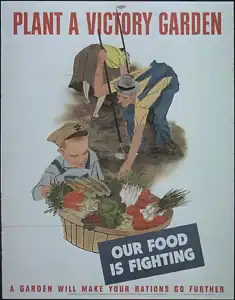 By the end of the war, victory gardens produced 8 to 10 million tons of food, which accounted for up to 40% of the fresh vegetables consumed in the U.S. during that period. This large-scale shift demonstrated that when people take food production into their own hands, they can reduce dependence on industrial agriculture and reshape the nation’s food landscape.
Victory gardens eased the pressure on commercial agriculture and logistics by freeing up transportation resources. They also helped preserve canned goods, which were needed for military rations and home canning. These gardens became an active way for citizens to support the war effort and ensure that their communities remained resilient.
Modern Relevance: A Response to Industrial Agriculture and Sustainability
Today, the principles of the victory garden movement remain highly relevant. With industrial agriculture dominating food systems and environmental concerns growing, the need for self-sufficiency in food production has never been clearer. The COVID-19 pandemic exposed the vulnerabilities in global food systems, showing how easily they can be disrupted by crises. Victory gardens offer a way for individuals and communities to reclaim their food systems, reduce dependence on global supply chains, and build more resilient, sustainable alternatives.
Victory gardens symbolize food sovereignty, empowering individuals and communities to take control of their food systems. By growing our own food, we can break free from the systems that prioritize profit over people’s health and the environment, and build local food networks that are more sustainable, equitable, and resilient.
The Benefits of Victory Gardens
Victory gardens offer several valuable benefits for individuals and communities:
- Food Sovereignty: Growing your own food reduces dependence on the corporate food system. In the face of climate change, pandemics, or economic crises, victory gardens provide a safety net by ensuring access to food when external systems fail.
- Healthier Food: Homegrown produce can be free from harmful chemicals, pesticides, and preservatives. It’s also fresher, which means more nutrients in every bite. Growing your own food ensures you know exactly what’s in your meals.
- Environmental Benefits: Gardening helps reduce your carbon footprint by cutting down on transportation and packaging associated with store-bought food. Additionally, it supports local ecosystems and promotes biodiversity. By using fewer resources than transporting food across vast distances, gardening provides a sustainable and environmentally friendly alternative.
- Connection to Nature: Gardening fosters a deeper connection to the land and natural cycles, while also providing an opportunity to learn about where food comes from. It’s an empowering process that helps us re-establish a meaningful relationship with the Earth.
- Community Building: Whether through community gardens or farmers’ markets, gardening creates opportunities to connect with others. Growing food together strengthens local ties, fosters mutual support, and creates resilient neighborhoods that rely on each other, not on corporations.
Different Ways to Grow Food
Victory gardens don’t require large plots of land. With the right approach, anyone can grow food, no matter the space available. Here are some options:
Community Gardens
Community gardens provide urban dwellers a chance to grow food together, with shared space that encourages collaboration, skill-building, and food distribution. These gardens are especially helpful in cities where access to land is limited.
Most community gardens have guidelines, waitlists, or usage rules. Be sure to follow local requirements.
How to Get Started:
- Find a Local Community Garden: Many cities have community garden programs, often run by local parks, nonprofits, or neighborhood groups. Search local directories or ask around to find one nearby.
- Sign Up for a Plot: Once you’ve found a community garden, inquire about plot availability and whether they require membership or volunteer commitments. Most community gardens charge a nominal fee to cover maintenance costs.
- Prepare the Space: Once you’ve secured a plot, clear the area of weeds and debris. Add compost to improve the soil’s fertility and ensure good drainage. Learn more about the benefits and instructions for Composting At Home
- Start Planting: Begin with easy-to-grow vegetables such as lettuce, tomatoes, or radishes. Follow planting instructions for spacing, depth, and sunlight requirements.
Feel free to reach out to me if you’d like advice or have any questions about starting your own community garden. I’m happy to share tips and resources to help you get started!
If you’re interested in learning about community garden opportunities, check out our Community Garden Database. It’s designed to connect you with local gardens and help you find resources for getting started.
For those in the Toledo, Ohio area, we’re excited to announce that we’ll soon have completely free community gardens available! These gardens will provide a space for local residents to grow their own food, share resources, and build stronger community connections. If you’re interested in getting involved, feel free to reach out to us for more information!
Hydroponic Systems: Growing Without Soil
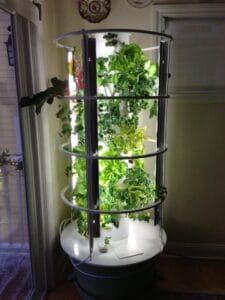 Hydroponics offers a great solution for apartment dwellers, allowing you to grow plants indoors with no soil. This method uses water and a nutrient solution, and it’s perfect for growing leafy greens, herbs, and even strawberries in small spaces.
How to Get Started:
- Choose Your Hydroponic System:
Kratky Method (Passive Hydroponics): This system requires no electricity and is the simplest to set up. Plants float on the nutrient solution without pumps.
Deep Water Culture (DWC): Requires a pump and air stone to oxygenate the water, ideal for leafy greens and herbs.
Wick System: A low-maintenance option where nutrients are drawn up into the plant roots through a wick. Ideal for beginners. - Materials Needed: Depending on the system, you’ll need containers (like plastic bins), hydroponic nutrient solutions, clay pellets or perlite, and net pots.
- Set Up: For the Kratky method, cut holes in a styrofoam lid, place your plants in the net pots, and ensure their roots are submerged in the nutrient solution. For DWC or Wick systems, set up your container with a pump (for DWC) and ensure your plants are properly supported.
- Maintain: Keep the water levels stable, monitor the pH and nutrient levels, and check for plant growth regularly. Most hydroponic systems need about 12-16 hours of light per day.
- Vertical Hydroponic Systems: There are various types of vertical hydroponic systems, including towers, wall-mounted planters, and vertical garden towers. These systems allow you to grow plants in stacked layers, often using a combination of Kratky or DWC methods to supply nutrients to the plants in each level.
Vertical Garden Towers: These structures use a rotating or stationary setup where plants grow vertically, often in small pots or pockets, with the nutrient solution circulating through the system.
Wall-mounted Systems: These systems attach to your wall and allow you to grow herbs and small vegetables like lettuce, spinach, or strawberries in vertical slots or containers.
Materials Needed for Vertical Systems:
- Vertical garden towers or wall-mounted planters
- Hydroponic nutrients
- Small containers, net pots, or pockets for planting
- A water reservoir (depending on the type of system)
- A pump or gravity-fed nutrient flow system
- Set Up: Depending on the type of vertical system, set it up either against a wall or as a standalone tower. For tower systems, you’ll need to set up the pump and make sure that the nutrient solution is flowing evenly across all plant tiers. For wall-mounted systems, secure the containers and ensure that the water is easily delivered to each plant.
- Maintain: Check the water levels, nutrient flow, and the stability of the structure regularly. Vertical systems require periodic adjustments to the placement of plants as they grow taller. Ensure that your plants are getting enough light, particularly in the lower layers where light may be limited. Rotate or adjust the system if necessary.
Benefits of Vertical Growing:
- Maximizes space: Ideal for small apartments or limited garden areas
- Efficiency: By stacking plants vertically, you use the same amount of floor space but increase your yield.
- Aesthetically pleasing: Vertical gardens can be beautiful additions to indoor spaces, offering greenery while saving space.
Container Gardening: Small Space, Big Harvests
Container gardening is perfect for apartment dwellers with little or no outdoor space. You can grow herbs, vegetables, and even flowers on windowsills, balconies, or patios.
How to Get Started:
- Choose Containers: Any container with drainage holes will work, including old buckets, dishpans, or even plastic bottles.
- Select Soil: Use a high-quality, well-draining potting mix designed for container gardening. Add compost to improve soil fertility.
- Pick Your Plants: Start with herbs like basil, parsley, and thyme. Leafy greens such as lettuce and spinach thrive in containers, as do small vegetables like radishes and tomatoes.
- Water Regularly: Container plants dry out faster than in-ground gardens, so be sure to check your plants daily and water them thoroughly.
Rooftop Gardens: Growing on High
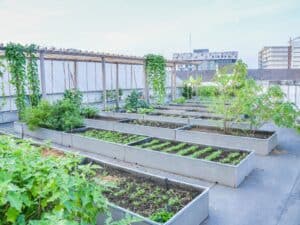
Urban rooftops are often underutilized, but they offer a great opportunity to grow food. If you have rooftop access, you can start a garden using containers, raised beds, or vertical gardening methods.
How to Get Started:
- Get Permission: Check with your landlord or building management to make sure rooftop gardening is allowed.
- Assess the Space: Look for an area with at least 6 hours of sunlight per day. Consider wind exposure and access to water.
- Choose Containers and Plants: Use large pots or raised beds, and start with vegetables like lettuce, spinach, and herbs. Over time, you can try growing larger plants like tomatoes and peppers.
- Water and Maintain: Rooftop gardens can dry out quickly, so ensure you water your plants daily and monitor weather conditions like wind and rain.
Easy-to-Grow Varieties for Beginners
Gardening doesn’t have to be overwhelming. Here are some beginner-friendly varieties that are ideal for small spaces:
- Herbs: Basil, mint, rosemary, and thyme are simple to grow and thrive in containers. They add flavor to meals and are easy to manage.
- Leafy Greens: Spinach, kale, lettuce, and arugula grow quickly and are perfect for beginner gardeners.
- Radishes: These fast-growing vegetables are excellent for small spaces and can be grown in containers or garden beds.
- Tomatoes: Small varieties like cherry or grape tomatoes grow well in containers, making them ideal for apartment gardens.
The 2-Hour Weekend To-Do List for Your Garden
If you’re short on time but want to start gardening, here’s a simple 2-hour to-do list that ensures you stay consistent and maintain a healthy, thriving garden:
Prepare Containers (30 minutes): Clean your containers and ensure proper drainage. Fill them with fresh, well-draining potting soil.
Plant New Crops (30 minutes): Start with easy-to-grow crops like herbs or leafy greens. Space them appropriately, and make sure they have enough light.
Water Thoroughly (15 minutes): Check the moisture level of your plants. Water thoroughly, ensuring water drains freely from the containers.
Prune and Harvest (15 minutes): Trim any overgrown or dead leaves and harvest any ready-to-eat crops.
Research Local Resources (30 minutes): Investigate local gardening programs, farmers’ markets, or nearby community gardens to see how you can get more involved.
Even with just two hours a week, you can start growing your own food and contribute to a more sustainable and resilient food system.
Victory gardens allow you to take control of your food supply, reduce dependence on industrial agriculture, and grow healthier, more sustainable food right at home. Whether you’re in an apartment, house, or even on a rooftop, there are options for everyone. Start small, stay consistent, and watch your garden grow!
For more information on community gardens in your area, visit our Community Garden Database. Happy gardening!
Start Here Simple First Step
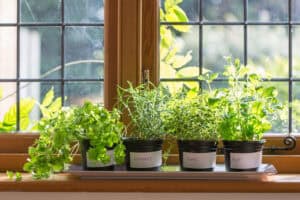
- Buy 1 herb (basil or mint)
- Place it near sunlight
- Water it daily for 7 days
Additional First Steps:
- Level 2: Add a second plant
- Level 3: Start a container
- Level 4: Join a community garden
It is that simple to get started. Every action builds on the last.
A Victory Garden isn’t about becoming fully self-sufficient. It’s about reclaiming one small part of your life, reducing your exposure to rising food costs, and building a buffer you control.
Every tomato you grow yourself is one less purchase you’re forced to make in a system we don’t control.
Contact Information
If you have any questions, need advice, or want to learn more about starting a community garden or getting involved with local gardening projects, feel free to reach out to me. I’m happy to help and provide resources to support your gardening journey!
You can contact me through:
- Email: 4winds419@proton.me
Social Media:
- FB – https://www.facebook.com/share/1Ahu79Qtkj
- IG – 4winds419.toledo
Feel free to reach out anytime! I look forward to connecting with you and supporting your gardening efforts!
Runa Guzman, Founder of 4winds419
Editors Note:
Runa Guzman is the founder of 4winds419, a community-focused initiative centered on practical skill-building, resource sharing, and local resilience. Her work focuses on helping individuals and neighborhoods take small, actionable steps toward greater self-sufficiency and stability.
We believe her work is an integral part for a long term strategy for a better wat to do business in America.
Website: 4winds419.org